What the noise your garage door is making actually means
Every garage door noise means something, here is how to tell a quick maintenance fix from a call you should not put off.
September 22, 2026 · 4 min read
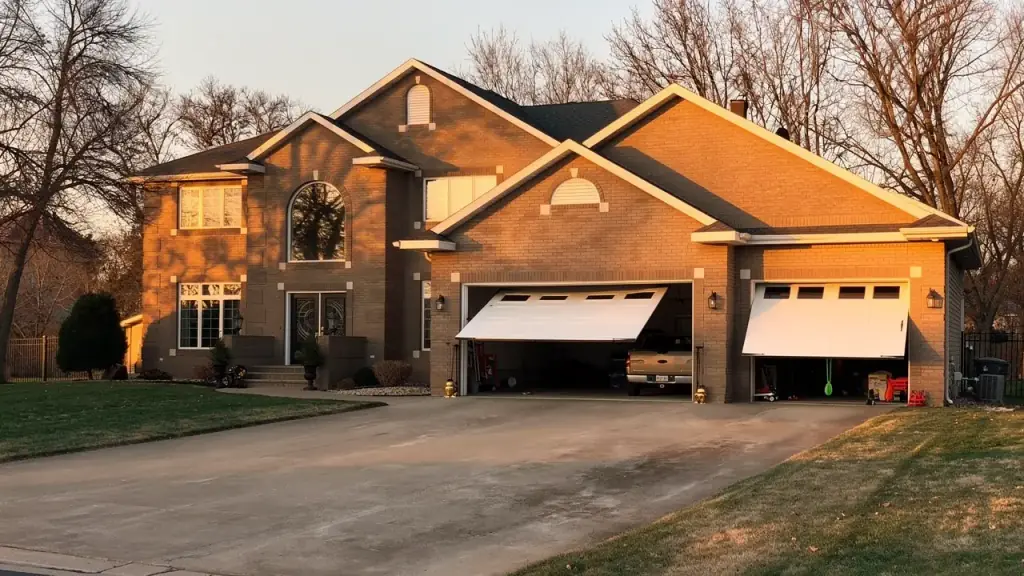
A garage door tells you something is wrong before it actually breaks down, you just have to know what the sound is telling you. Some of what you hear is normal wear that a little maintenance handles, and some of it means stop using the door and call someone. Here is how to tell the difference.
Grinding
A grinding sound, especially one that changes pitch as the door moves, usually points to worn rollers or a track that has gone out of alignment. Rollers ride in the track every single cycle, and after enough years they can flat spot or the bearings inside them can wear out. This is not usually an emergency, but it is worth having looked at before a flat-spotted roller starts chewing up the track itself.
Popping or banging
A single loud pop or bang, especially if it happens once and the door immediately behaves differently, often means a spring or a cable has given out. Stop using the door right away if this happens. A repeated popping sound during normal operation, on the other hand, can mean a hinge is loose or a panel section has worked itself slightly out of alignment, which is a smaller fix but still worth checking before it gets worse.
Rattling
Some rattle is just loose hardware, brackets, bolts, and screws that have worked their way slightly loose over thousands of open and close cycles. This is genuinely a maintenance item, not a red flag, and it is one of the easiest things to catch during a routine check before it turns into something bigger.
Squealing
A squeal usually means metal on metal with nothing to reduce the friction, most often dry hinges or rollers. This is the noise most likely to respond to a proper lubrication pass on the moving hardware, not the track itself.
A door running crooked
If one side of the door visibly moves faster than the other, or the door looks like it is tilting as it travels, that points to uneven spring tension or a cable issue on one side. This one is not a wait and see situation. A door running crooked under power can come off the track entirely.
Quick reference
- Grinding: check rollers and track alignment, usually not urgent.
- Single loud pop or bang: stop using the door, likely a spring or cable, call for service.
- Ongoing rattle: loose hardware, a maintenance item.
- Squealing: dry hinges or rollers, often fixed with proper lubrication.
- Door running crooked or unlevel: uneven spring or cable tension, needs prompt attention.
Opener noise versus door noise
It helps to separate what the opener motor is doing from what the door itself is doing, since the fix is different for each. A LiftMaster opener that hums, clicks, or makes a soft whirring sound during normal operation is usually fine, that is just the motor and gear doing their job. A grinding or clunking sound specifically from the unit mounted on the ceiling, separate from anything happening at the door itself, points to the opener's internal gear rather than the door hardware, and is worth mentioning specifically when you call, since it changes what we bring.
When to just get it looked at
Not every noise fits neatly into one category, and that is fine, you do not need to diagnose it perfectly before calling. If a sound is new, if it is getting louder over a few days or weeks, or if the door has started behaving differently alongside the noise, moving slower, drifting to one side, hesitating partway, that is enough reason to have it looked at. We offer free estimates and same-day service is available for most repairs, so there is rarely a reason to let a new noise sit for weeks while you wait to see if it gets worse.
The balance test
One check you can do yourself, with the door fully closed, disconnect the opener using the release cord, usually a red handle hanging from the trolley, and lift the door by hand about halfway. A properly balanced door will stay roughly where you let go of it. If it drops on its own or shoots upward, the spring tension is off, and that is a job for us rather than a DIY adjustment, since it involves the same wound-under-tension springs that make spring work dangerous to attempt alone.
One of our customers, Kathy Smith, originally called us about her opener acting up. While we were there we found a couple of other things worth fixing and took care of those in the same visit, which is fairly typical, since an opener issue and a hardware issue often show up around the same time on an older door. If your door has started making a noise you have not heard before, give us a call at (701) 280-9100 and describe what you are hearing, it genuinely helps us bring the right parts the first time.
Quality Garage Door, (701) 280-9100
Call (701) 280-9100More articles
Your garage door spring just broke. Here is what to do next.
If your garage door spring broke overnight, here is exactly what to check, what to avoid, and what same-day service from a local shop looks like.
Winter proofing your garage door before the Red River Valley gets its bite
A Red River Valley winter is hard on a garage door, but most of the trouble it causes is preventable if you catch it before the freeze.